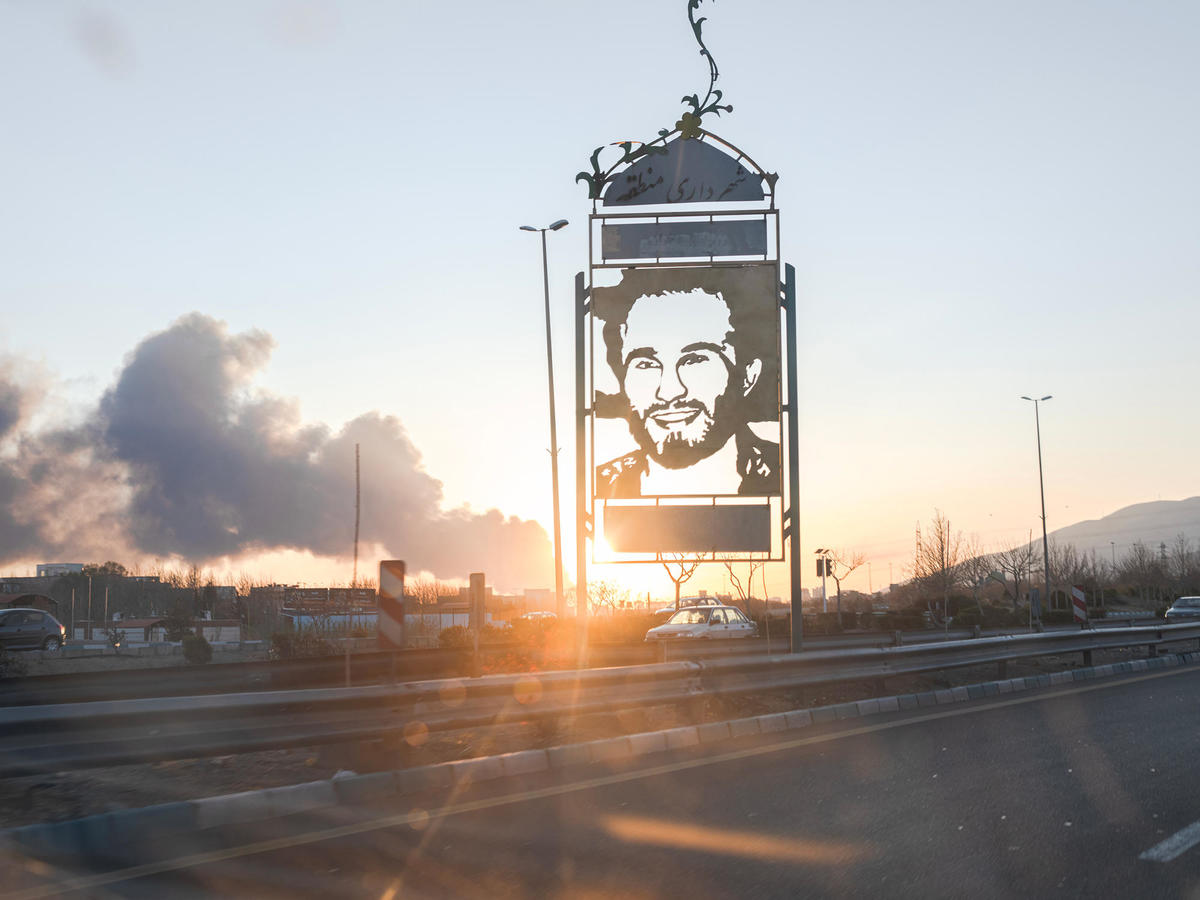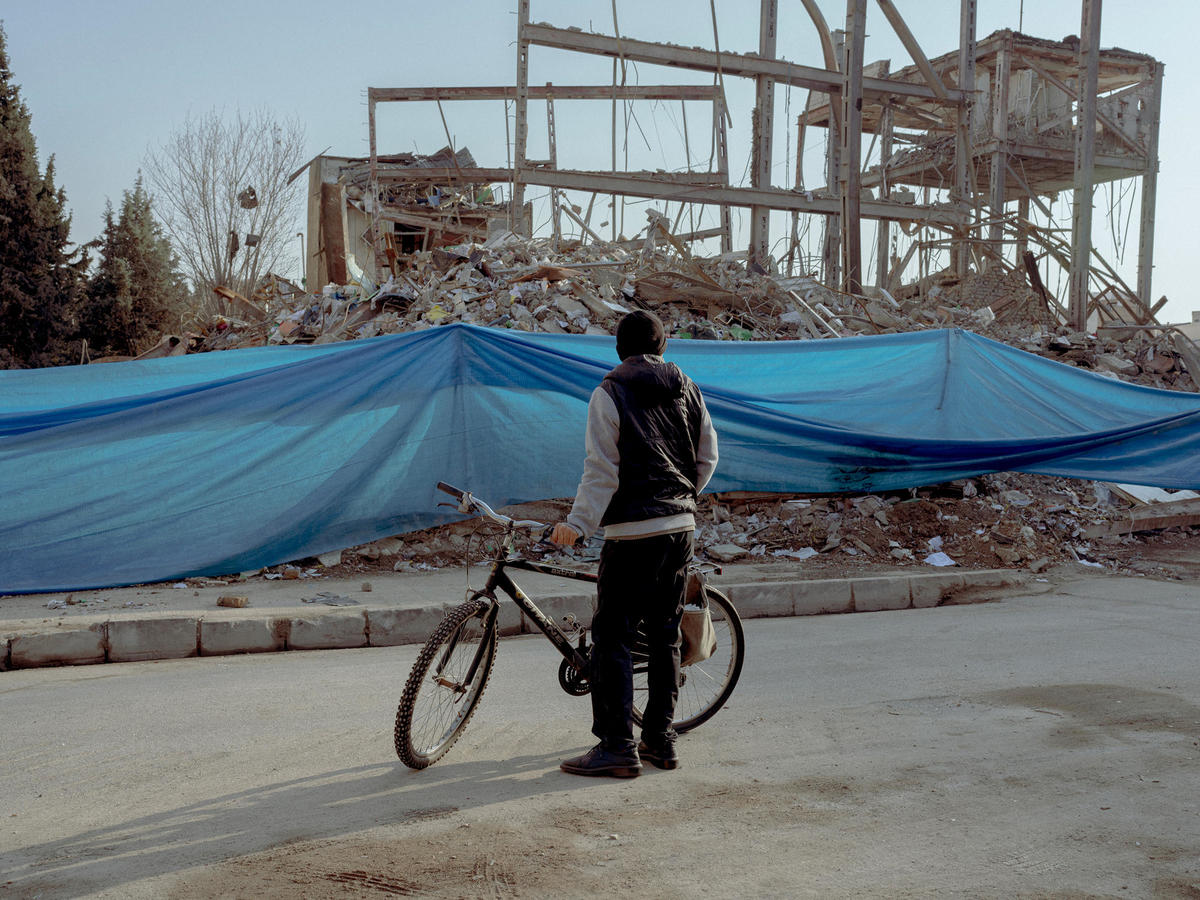
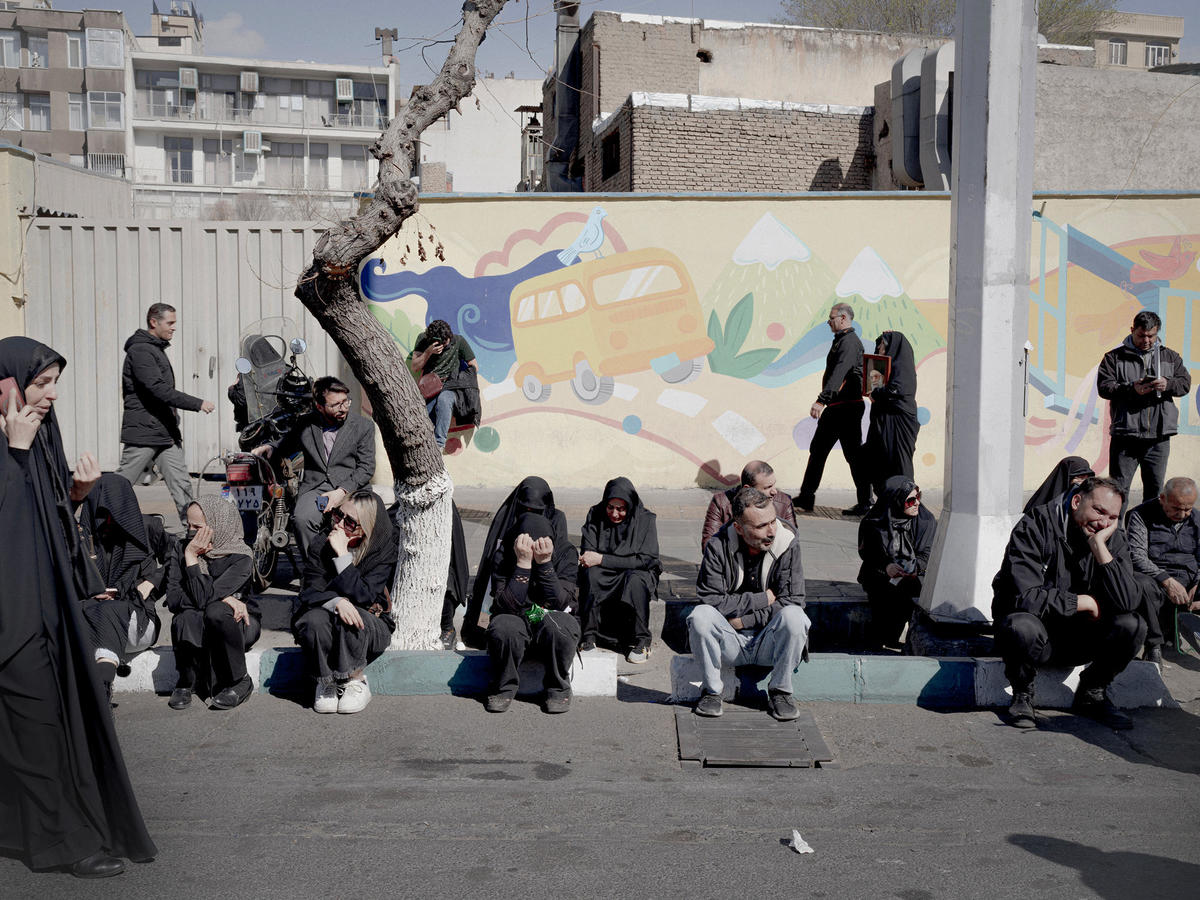
To those on the outside, Iran can seem impenetrable even at the best of times. Few foreign journalists are allowed to work there, visas are hard to come by, and writing by Iranians doesn’t easily make its way into the mainstream media. This sense of remoteness has only grown since the onset of the military operation the US calls Epic Fury and Israel calls Lion’s Roar. Three weeks in, this criminal war of choice has killed thousands, unleashed billows of toxic smoke, and flattened millennia-old heritage sites, even as new fronts open in Lebanon and the Gulf states. That the Iranian government has restricted both internet and telephone has only compounded Iran’s seeming isolation.
Amid this information blackout, Naghmeh Sohrabi’s Substack, These Are the True Things, has been at once a balm and an indispensable resource. A historian at Brandeis University, Sohrabi has been sourcing and translating texts published inside wartime Iran — in local newspapers, online platforms, and Telegram channels — and offering thoughtful contextual introductions. Posts have treated philosophical and political debates, diaries of Iran under the bombs, accounts from oil workers, and even black humor. Some of Sohrabi’s posts feature her own autobiographical reflections — she was born in Iran and spent her teenage years there at the height of the Iran-Iraq War of the 1980s. The “true things” she relates create a vivid portrait of what it is like to be alive right now, inside Iran and out: worrying about friends and family, struggling to make sense of developments, practicing politics, and even, despite everything, finding shoots of hope in the unfolding events.
Bidoun: Can you tell us a little about the origins of the project? And where does the title come from?
Naghmeh Sohrabi: “These are the true things” is an expression that comes from my mother. When she wants to say something emphatically, or when she wants to make a point, or when someone else makes a point that she thinks is absolutely correct, she’ll say, “These are the true things.” It’s become something that my whole family enjoys saying to one another. I’ll say, “Your hair looks really good today” to my sister and she’ll be like, “These are the true things!” [Laugher] I really like the multiplicity embedded in the expression. My mother does not say, “This is a true thing,” or “This is true.” She leaves things open. It’s a way of capturing multiple truths. Also, I love my mom, so that’s why I picked that title.
I started writing in the fall of 2022, during the Woman, Life, Freedom movement — a moment when many of us, academics and scholars and journalists, realized that there was a toxic atmosphere in the form of a strong diasporic voice that silences those it doesn’t agree with. One might be presenting something academic or analytical about the events in Iran, and the landscape on social media, especially on Twitter, would go wild. Voices were being shut down. People got doxxed. Many were scared. At the same time, I noticed that many of those who were silencing others were suddenly speaking on behalf of all Iranians, especially those inside the country — and yet they hadn’t been to Iran, in many cases, for decades. So I created the Substack because I felt like I wanted to say things, to write what was on my mind, and I didn’t want to get into a situation in which I would get blocked, or mobbed, or doxxed.
B: How has it evolved over time?
NS: After a while, Substack also became a space for me to experiment with different types of writing. I’ve been working on this memoir-ish thing for quite a long time, so I use the platform to lay out some of it, play around with voice, even vent. Just before the December 2025 protests, I felt like I was done with Substack as a medium. I felt pressure to write something even when I didn’t want to, and, I will be honest, I was despairing at the state of the world. But when the protests happened, I felt like I had to say something. I was cut off from my friends and family in Iran like everybody else was. I had no idea how they were and writing analyses of the situation became a way for me to alleviate my worries. Then a kind of fight started brewing among academics over how many thousands of people had been killed over January 8 and 9, 2026 — when the government brutally cracked down on the protests. It was like, if you said 30,000 dead, you were not honoring Iranians, but if you said 40,000 dead, you were honoring Iranians — and of course these fights quickly became personal, as things do on social media. As I was watching that unfold, I was also reading a lot by Iranians inside the country who were analyzing the situation on the ground, writing through their trauma, and who didn’t seem to be tearing each other apart because they disagreed. I was really taken aback at the deliberate way in which, despite this immense pressure and grief that they were under, they tried to share the same space and talk. It suddenly occurred to me: why are we not listening to them?
At the same time, I’d started a kind of informal archive because I knew people who were collecting fascinating material on Iran and I thought that we should have a space for them. I created a Google Drive folder and invited a bunch of colleagues who were very closely following the news coming out of Iran to dump interesting things in there and, when they can, to help with translations or editing. Some of these materials have made their way into the Substack. Some into other friends’ writings. It’s a collaborative effort.
B: Where do you look for material?
NS: Telegram is big. Connecting to Telegram is usually easier from inside Iran and people believe it’s safer and more private than, say, WhatsApp. In addition to individual Telegram channels, I also follow those tied to associations, like the Tehran University Sociology Student Association channel, which announces talks or book clubs and gives you a sense of not only what people are saying but also how people are coming together. Almost every single one of the labor organizations in Iran have a Telegram channel. Then all the news agencies have Telegram channels. There are channels that aggregate and translate the news, too. The Sharif University Twitter Telegram channel is extremely popular, in part because it’s just so funny. People basically write haikus on it. I recently translated twenty of their posts written during the war for my Substack. My favorite, because I’m messy, too, is “The fighter jets are flying so low that my mom told me to tidy up my room cause the pilot will see it and it’ll be rude.” [Laughter] Then there’s Instagram, which before the recent internet shutdown, was an important place for people to discuss ideas.
B: Media critique is implicit in your work…
NS: I believe that you need to meet your audience where they are and then move them. But mainstream media meets their audience where they are and lets them stay there. If you look at the coverage of Iran in the US right now, Iran and Iranians are almost exclusively represented by dead bodies when there are people actually living through this moment! Despair, misery, yes, all of that stuff is part and parcel of the horrific situation in which Iranians find themselves in, but it’s infantilizing when the only angle the media is willing to advance is to feel sorry for them. These are smart, accomplished, thoughtful human beings. They don’t need us to feel sorry for them. They need us to take them seriously as intellectuals.
B: You’re a historian. How you would situate and periodize this moment vis-à-vis press freedom, the risks people are taking, the nature of the discourse and debates?
NS: This is a very different moment than any other because we have no idea what is going on, right? A lot of the people that I follow or know personally haven’t said anything, haven’t been able to publish anything because of the intense internet shutdown. One point I want to make is that we humans tend to think that if we haven’t seen something then it hasn’t happened. It’s really important for us to remember that most likely, Iranian academics and intellectuals and artists and writers and journalists and students — all of these people who produce a lot of thinking are probably still producing it. They just can’t put it online.
B: We’ve heard you talk about “gray media.” What is that?
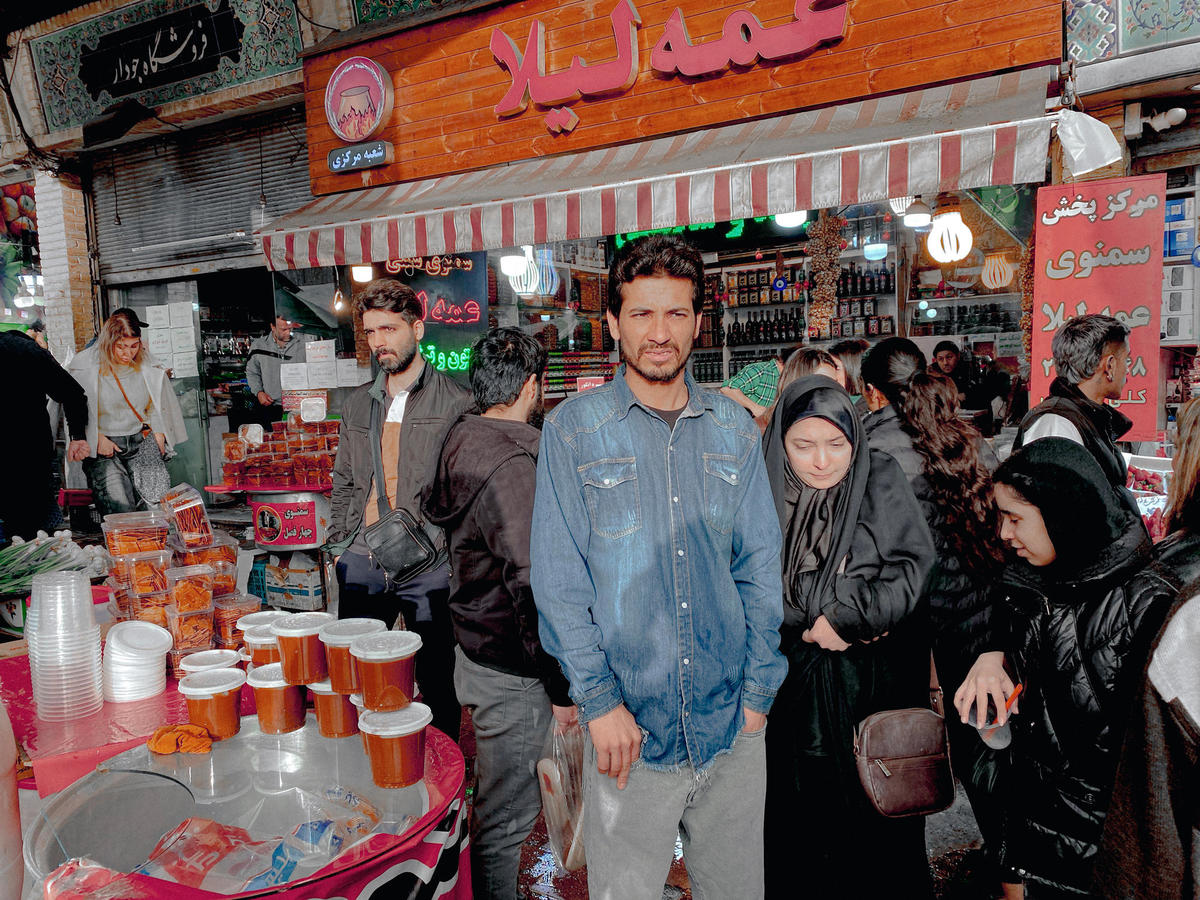
NS: I don’t even know if it’s a real term or not, but gray media is a weird category that refers to the very weird but important space of unofficial media channels. These channels aren’t personal, they’re not private, they’re not official, and they’re still subject to government censorship. So, on the one hand, Ham-Mihan — which is an official newspaper and therefore under the control of the state — published an op-ed that I translated for the Substack. The op-ed took the rise of the monarchy and its role in the January protests seriously, and flipped the script onto the Islamic Republic saying, you know, “this is your fault. You mismanaged everything, and this is what happened.” The day after Ham-Mihan published that, its license was taken away. On the other hand, you have the Azad channel on YouTube that has hosted many debates over the monarchy. This is all public, so if the government wanted to stop it, they absolutely could. But they haven’t. In other words, it’s gray. That said, it’s hard to know exactly what’s going on.
It’s important to note that it’s very different writing in a time of repression versus when you are living through a bombing campaign. These conditions are not the same. I’ve had to cajole and leverage my personal relationships to get people to write for me during the bombings. They’ve all been happy after they’ve written, saying it was cathartic, but many of them have been, like, “I’ll do something for you eventually, but I don’t feel like it right now.” And every single day, if I don’t hear from them, I don’t… you know… I don’t know if they’re dead or just not connected, or if they’ve lost family. That’s the new reality.
B: How are people in Iran even getting online?
NS: There’s a thing called “whitelisting,” or white SIM cards, that permit people to make use of the government’s VPN to use the internet even when it’s shut down. The regime’s media is whitelisted, of course. The thing with whitelisting is that you are being monitored, but even that is interesting. Shargh, an independent daily newspaper in Iran, has been doing some of the most thoughtful investigative reporting around the war from day one. So my guess is that they’re whitelisted because they post articles on their Instagram pretty frequently. The regime’s media is of course whitelisted too. Everyone else is taking illegal routes, including Starlink or, more commonly, blackmarket VPNs that are both expensive and unreliable. The market for those VPNs is a little like that for alcohol — which is to say illegal but pretty common.
B: Can you talk a little more about the evolution and importance of Shargh, since it was founded as a reformist-leaning newspaper in 2003. Is it fair to say that it’s one of the most dynamic newspapers in Iran today?
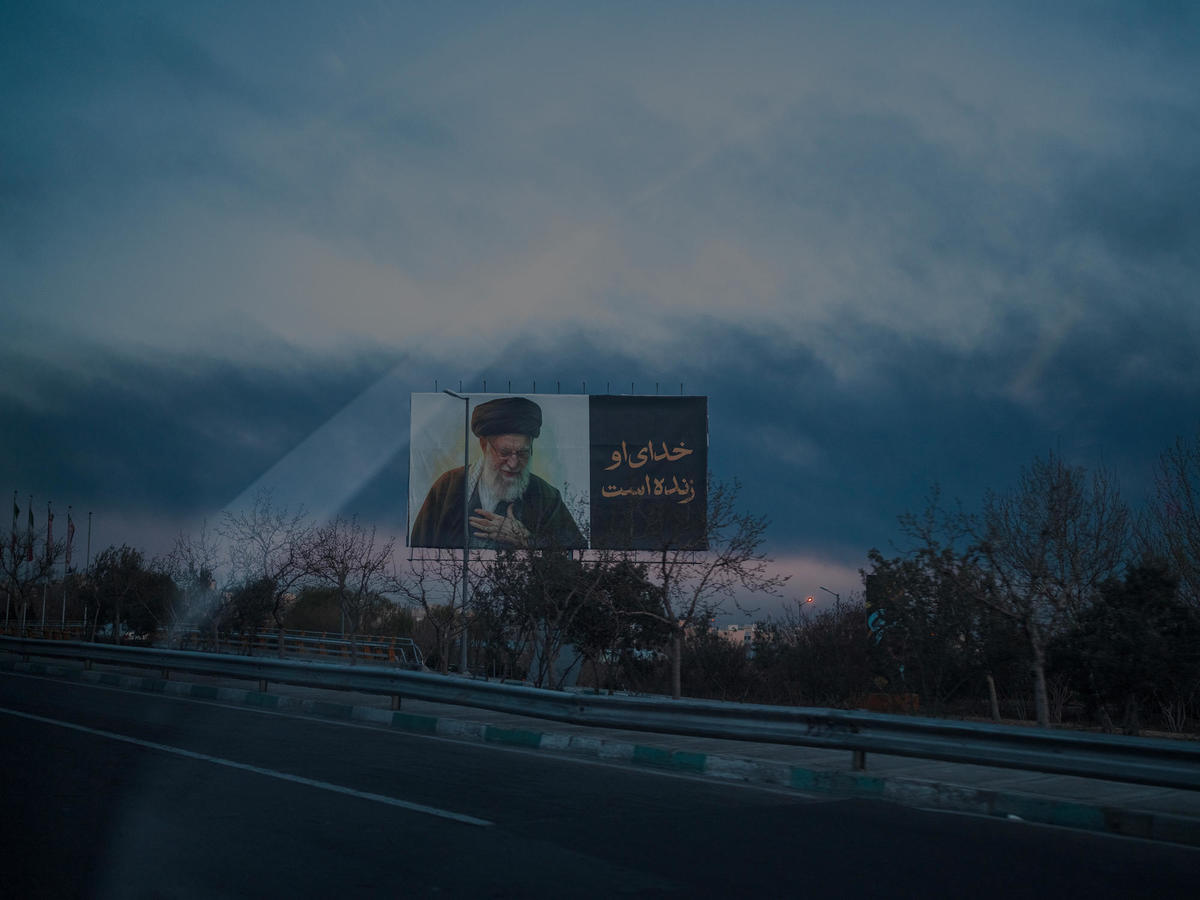
NS: Shargh has never been one thing. It’s gone through so many interesting developments. There’s a wonderful documentary about the paper that I recommend called Red Lines and Deadlines. In 2005, Shargh came out in support of [former reformist president] Rafsanjani, which is what the film is about. It had a very famous editor-in-chief, Mohammad Ghouchani, who was also one of its founders. He was an enfant terrible of the Iranian political and journalism scene who was imprisoned for his work — really young and brash at the time. As the Iranian media landscape has changed, Shargh has also changed. As of March of last year, it’s being led by its first female editor-in-chief, Shahrzad Hemati, who’s great. She used to be the newspaper’s Social Affairs editor, so she understands how deeply the social and the political are connected. Shargh is not as flashy as it was in its early days but it is so deep and thoughtful in its coverage of Iran in these horrible times. It’s also very hard not to notice how many amazing female investigative and non-investigative reporters they have on their team, including Niloofar Hamedi, who was one of the first journalists to bring attention to what happened to Mahsa Amini in 2022 and went to prison for it. Ham-Mihan was an excellent newspaper too, but it was shut down on January 19. Etemad is also important as is Payame Ma, which focuses on the environment.
B: What about diaspora media — its role in polarizing the landscape between pro-war and pro-regime factions?
NS: I think many of us are now getting to the point where we feel the need to say that the diaspora is not just one thing. Bidoun, for example, is part of the media landscape. Having said that, I know what you mean. By far the most visible and influential of the diaspora channels is Iran International and here I’m just going to repeat what others have said: it’s the Fox News of the diaspora. I’m old enough to remember when George W. Bush was president and suddenly Fox was the most popular channel in the American cable news landscape and everyone was trying to puzzle out why and what it meant. That was also the case with Iran International, which had been around for a bit before — and this is my observation — but really caught my attention during the Woman, Life, Freedom movement when it seemed to take a strong and militant monarchist stance. I suddenly noticed that people I knew in Iran who didn’t have monarchic sympathies were watching it. The popularity of this, let’s call it regime change media, or a news channel with a blatant political agenda, I think, pulled other channels who were vying for viewership to the right also. BBC Persian, for example, tried to fit itself into that extremely intense and polarized media landscape during the Woman, Life, Freedom Movement. I want to reiterate that it’s important to remember that with the internet cut off, it’s not only a matter of Iranian people not being able to express themselves, but do they even have access to independent news channels? They can watch either the Islamic Republic of Iran news media or watch Iran International via satellite. Little in between.
B: What about the nostalgia industry that characterizes some of the diaspora media landscape…
NS: I call it the “mini-skirtification of Iranian discourse,” the miniskirt standing in for the idea that things were somehow better before, more free, whatever, under the Shah. But it’s so telling that it’s the miniskirt and not elections or free speech or political prisoners. The nostalgia is so squarely in the apoliticalness of pre-revolutionary Iran — or rather, a fantasy of it as nostalgia often is. It’s not just a diaspora thing. We all grew up in Iran with somebody saying, you know, “Back in the day, the dollar was worth seven tomans,” or “Back in the day, we would wear miniskirts.” Channels like Manoto [and Tunele Zaman] did the cultural groundwork so that something like Iran International could come up and attach a political program to that kind of cultural nostalgia.
B: How did diaspora media react to the 2022 Woman, Life, Freedom movement and its consequences — like the fact that many Iranian women today walk around unveiled?
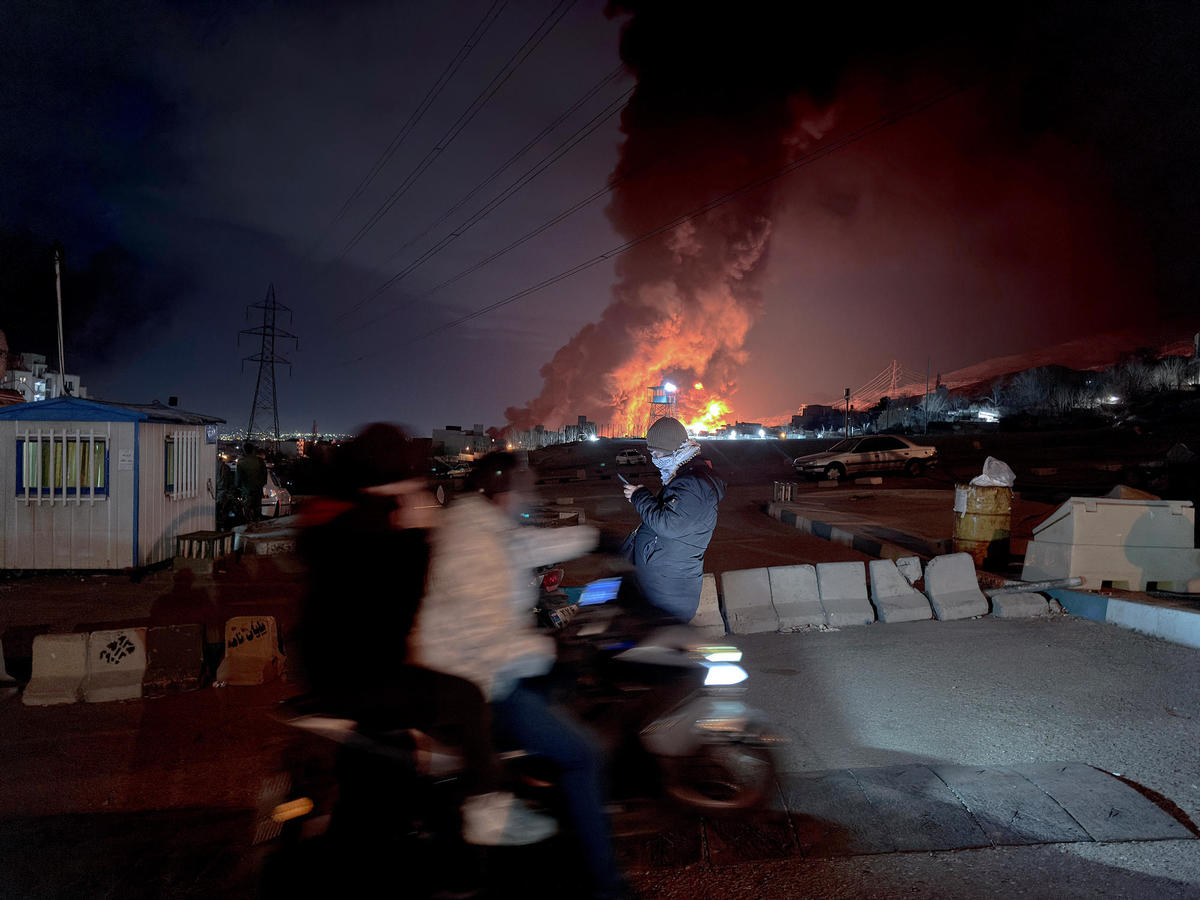
NS: The more reactionary part of the diaspora, let’s say the pro-war faction, refuses to acknowledge this as a political victory. They present it as a reflection of national anger, national fury. But to many of us, obviously, the fact that so many women are now walking around unveiled in urban centers is a symbol of a broader political movement — an indigenous victory, if you will, born of Iranian women agitating at home. This is why it was so telling that during the Woman, Life, Freedom movement, Reza Pahlavi, the son of Iran’s deposed Shah, gave speeches in support of it, put the slogan on his social media handle, urged his supporters to tweet #IranRevolution2022, centering himself. But when that movement did not result in regime change — when Woman, Life, Freedom showed itself to be a pluralistic and inclusive political movement inside the country— Pahlavi removed the slogan from his various platforms.
B: We’ve asked you so much about “These Are the True Things” but we were hoping you could tell us a little bit about the book you’re working on now? There’s a talk of yours online — “The Intimate Lives of Books in the 1979 Iranian Revolution” — which is fantastically thoughtful and evocative. Is that part of it?
NS: Yes. It’s my next academic book, a history of the 1970s generation in Iran — the generation that made the 1979 revolution possible — based on interviews I did with former revolutionaries. As I was listening to them, I paid attention to the moment in their stories when they assumed I knew something, and I clearly didn’t. These were cultural presumptions and historical things they thought I would know because everybody in their generation knew. And I took those unspoken or perhaps unexplained things, which I believe can become a repository of experiences, and tried to understand them historically. In other words, if they were saying things that they assumed I would know without them having to reiterate it or explain it, then maybe I could access a sense of what it felt like for them to be revolutionaries without them having to adjust that memory in light of what came after, through disavowal, or disappointment in what happened post-revolution, and, of course, immigration. So in the chapter on books that you alluded to, one of the things that emerged was people’s relationship to books as objects that politicized them — not necessarily in terms of what they were reading, but also how just possessing them could lead to their arrest. Like, if you ask them, “How were you being political when you were fifteen?” they might tell you they were copying banned books for underground circulation. My book also looks at what it means for a revolutionary to be in love, when the revolution says that love is petty and superficial. I also look at joy, because revolutions are emancipatory, liberating, because in the moment that it’s happening, no one knows what’s around the corner. Contrary to what Mao said about a revolution not being a dinner party, there is a letter that I discuss in the book written from a wife to her husband in which she tells him that one of the protests was like a garden party where everybody was out having fun. So that’s the book, in a nutshell, that I should be writing — but I’m not.